
PERENNIAL WEALTH OF EXPERIENCES

PERENNIAL WEALTH OF EXPERIENCES Mr. Tapan Kumar Das has been associated with MIES Institute for the last 5 years as a Skill Development Officer and has created this writeup about PERENNIAL WEALTH OF EXPERIENCES. He has a lot of experience teaching WBCS, SSC, PSC, RAIL, Bank, School Service, Primary TET, Upper Primary TET, etc exams. He is very grateful to MIES Management for giving him a chance as a Skill Development Officer at MIES Institute which is one of the best competitive coaching centres in West Bengal. In His opinion, MIES Institute is one of the top competitive exam institutes in West Bengal. MIES is a renowned coaching center for Govt. Job exams in West Bengal. Thousands of students appeared in Govt. service exam from MIES every year and got Government service maximum of them. MIES is the most popular institute among Government Job aspirants because of its specialty in School Service, WBCS, PSC, SSC, BANK, RAIL, Primary, and Upper Primary TET, etc exams. Students are given a huge number of Class Tests, Model Tests, and Mock Tests and also Practice a huge number of Online Tests through MIES APP in their course curriculum. MIES is a pioneer institute of West Bengal Civil Service coaching in West Bengal. As per the students’ version, MIES is the Best Training Academy for Govt. Job exam in West Bengal. PERENNIAWEALTH OF EXPERIENCES In this world, we are born as human beings, to live and die. Every human being male or female passes equally, right from birth, through countless series of experiences. Every day, humans are expanding the base of their experiences through the works and actions of daily life and the knowledge earned from their experiences turns into a great wealth to their lives, society, and the world. POWER OF EXPERIENCE An experienced person with the power of will and spirit of experience can easily face any problematic situation and challenge in life. With this power to face, he can easily attain the power to make everyone content with the willpower of his experience. Experience/s is or is an invaluable treasure in everyone’s life. PERENNIAL WEALTH OF EXPERIENCES – GAINING KNOWLEDGE FROM EXPERIENCES Humans gain different kinds of knowledge right from birth and keep on learning throughout their lives. Curiosity to know people, things, and events in different places and environments. Every bit of knowledge one gets from life and work adds up to an existing knowledge base. When we gain knowledge, we start putting that knowledge into practical application Some knowledge we gain from our own lives to experience. *Some knowledge we gain by reading books and other materials.* Some knowledge we gain with the passage of time. This way human’s treasure of knowledge grows out of experience and itself is a great wealth of a human more valuable than anything else in his life. THE KNOWLEDGE THAT HUMANS GET FROM ONE WITHIN IS VERY IMPORTANT: To be clear of this perception, a man or woman first has to get a thought from which one feels and experiences knowledge. At this point, every human must be very aware of the positive benefit of the type of thought they would take up in their mind. All thoughts are born out of human minds, but humans should be selective to indulge in positive thought, the thought that shall be elevated as pure. Pure thoughts provide opportunities for learning and gaining fruitful experience. From this base and state, one can look at the world. When he looks at the world widely before, around, and above him, he can observe many pleasant things to add to the treasure of his experience and knowledge together and can make his understanding and decision more positive and clear about life and service, activity, and goal and turn that more effective and beneficial to his life, society, and the world too. It is said that thoughts lead human beings and guide their lives. Similarly, their experiences also guide, lead, and advise them for their future life & excellence. A CLEAR PURPOSE OR AIM IN LIFE MAKES HUMANS MORE EXPERIENCED KNOWLEDGEABLE AND WISE: Through doing every work, action and struggle toward one’s goal or aim, one becomes steadily experienced, prudent, knowledgeable, and wise. So the process of gaining and accumulating experiences and learning in life turns out to be a strong and perennial base to be wise & self confident. Every man must have active and earnest intentions to constantly make progress in life with a clear focus on their aim and object of life which should be very clear from the beginning of life. When a human applies his earned knowledge, his treasure of experiences further increases significantly. This way, one who increases his knowledge more and more from his varied practical experiences of life, gradually and steadily turns into a man of mature and prudent knowledge and perennial wisdom. Therefore it can be said that experience in life with knowledge becomes the base of wisdom which is more precious than material wealth. WHAT HAPPENS WHEN A MAN PASSES THROUGH THE PROCESS OF GAINING KNOWLEDGE AND LEARNING NEW LESSON OF LIFE? When a man passes through the process of gaining more and more knowledge and lessons through various experiences of life, he elevates and reaches the stage of self-realization which in turn expands his base of experience to further heights and peaks of eternity & becomes completely a perfect and free soul, free from the illusive, material and selfish attachment of their mundane earthly and evanescent life. Besides, his experience teaches him how to proceed and elevate his wise stature in life from time to time in various situations. It is true that experience is a source of strength, self-confidence, and courage. PERENNIAL WEALTH OF EXPERIENCES – KNOWLEDGE OF EXPERIENCE IS LIKE A TORCHLIGHT: Knowledge of experience focuses its light on the uneven or even path of life. It is a treasure in white whatever pleasant or unpleasant has happened in a life is stored up and that
Guiding Principles to Success

Guiding Principles to Success Mr. Jayanta Kr Majumder writes the article Guiding Principles to Success—Competitive Exam Study for different Govt. Job exams are essential for establishing the career of every Govt—job seeker. Being the Course Director of the MIES Institute, I feel that it is very necessary to grow awareness in society people as till today there is no alternative to Govt—a job in our country for a secure and peaceful life. MIES is a renowned coaching center for Govt. Job exams in West Bengal. Thousands of students appeared in Govt. service exam from MIES every year and got Government service maximum of them. MIES is the most popular institute among Government Job aspirants because of its specialty in School Service, WBCS, PSC, SSC, BANK, RAIL, Primary, and Upper Primary TET, etc exams. Students are given a huge number of Class Tests, Model Tests, and Mock Tests and also Practice a huge number of Online Tests through MIES APP in their course curriculum. MIES is a pioneer institute of West Bengal Civil Service coaching in West Bengal. As per the students’ version, MIES is the Best Training Academy for Govt. Job exam in West Bengal. TIPS of Principles to Success For achieving success in general there are problems people are facing today either in individual life social life political or working life mainly due to negligence of moral values since men or women have systematically eliminated this vital aspect of human existence. Another success problem is the changing or altering of one’s attitude, perspective, behavior, or approach to a situation or towards achieving success. Success and failure are part of life and ought to intercept each other. The keynote is to learn one’s lessons from both by not getting overconfident due to success or not being demoralized due to failure. Sometimes circumstances may lead to successive failures. During such a time or situation, instead of getting distressed or demoralized, and should adopt the following tips. (TIPS) T – THINKING I – INVOLVEMENT P – PERSEVERANCE S – SINCERITY If the above TIPS do not work correctly to effect success, then it is better to take a retrial for another attempt, and even then you fail to get the expected result or success, still, you must cling to your self-confidence & determination with the firm faith in the omnipotent God. This shall strengthen your moral & mental will & spirit to be ultimately rewarded with success because the part failures act as pillars of your future success. Vital Point of Principles to Success This is another vital point upon failing to succeed in your aim, to be analytical to trace the causes of your failure or where & what has gone wrong that barred your success by self-introspection on the following points of your conscious inquiry and then act or plan to act properly with a positive mind & spirit. What more do you need to be surely successful in achieving your goal or target? For fostering a more positive construction or beneficial mindset or demeanor that might play more ensured success in your attempt and aim. In this case, you have to be stern to dispel or eliminate from your thought all the following negative virtues/attitudes and behavior from your habits and nature. SENSE OF INDIVIDUALITY AND PERSONALITY IS INEVITABLE NEED TO SUCCESS Individuality represents the ego as genetically limited and person/personality represents the ego as expanding beyond that genetic limitation. According to Vedanta, it is the first step in moral & spiritual growth, it rescues man from submergence in the collectivity and installs him or her on the throne of human freedom and dignity and is purely a human phenomenon for success. No animal can develop its individuality as it has no self-awareness or ego, so they are animals & remain as animals ending with death. In our country, from now on, students should be educated to steadily grow & turn from individuality to personality so that they know how to serve others, to find a place for others in their scheme of living and working in this phenomenal world as a true & humane personality. Humans must change themselves into persons of good attitude, of good words & works and behavior which shall lead them to success & greatness. TEMPERAMENT – Principles to Success Temper plays a very important role in all walks of life. We can say that the acceptance of a person in society, in the family, and the workplace is greatly affected by his temperament. A cool-headed person will be more acceptable in all walks of life. Everyone likes to come across or deal with a cool-headed person who can understand things in a much better way than a short-tempered person. It is noticed that a cool-headed person can handle situations in a much better way and are thus more successful in life. On the other hand, short-tempered persons are disliked, because due to loss of temper, they may sometimes fail to understand and consider a genuine problem, and as a result, lose popularity. This is one reason why everyone wants to work with more willingly and devotedly under a cool-headed person. Controlling of temper Being short-tempered in most cases will sooner or later bring about unpopularity, dislike, lack of willingness, submission, and devotion from subordinates and coworkers. In extreme cases, it may lead to rebellious non-cooperation. So man always should be in good control of his temper and ensure that he does not make rash decisions in a fit of anger. Various techniques have been discussed by psychologists to control this part of the personality, but most of them revolve around the basic principle of delaying a reaction, and by far it is the best technique because by not giving an immediate reaction, not only you can emerge from the fit of anger but also you can get time to give a second and a third thought to the
INSIGHT INTO UN CHARTER
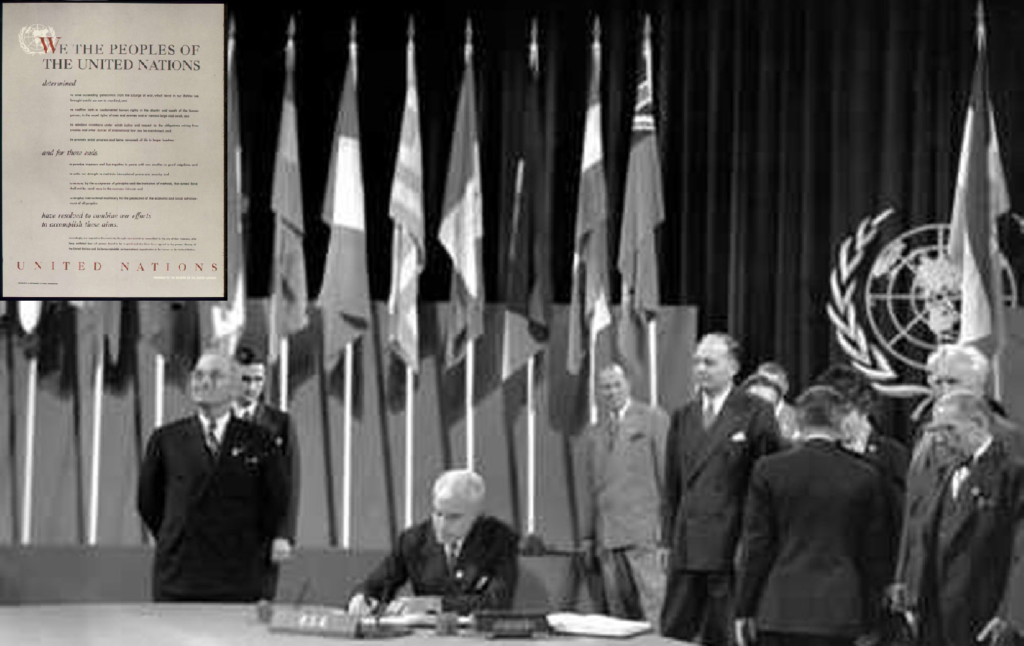
A BRIEF INSIGHT INTO UN CHARTER An article on “A BRIEF INSIGHT INTO UN CHARTER” has been written by Mr Tapan Kumar Das associated with MIES Institute for the last 5 years as a Skill Development Officer. He has extensive experience teaching WBCS, SSC, PSC, RAIL, Bank, School Service, Primary TET, Upper Primary TET etc exams. He is very grateful to MIES Management for give him a chance as a Skill Development Officer at MIES Institute which is one of the best competitive coaching centre in West Bengal. In His opinion, MIES Institute is one of the top competitive exam institutes in West Bengal. MIES is a renowned coaching center for Govt. Job exams in West Bengal. Thousands of students appear in the government service exam from MIES every year and get Government service maximum of them. MIES is the most popular institute among Government Job aspirants because of its specialty in School Service, WBCS, PSC, SSC, BANK, RAIL, Primary, and Upper Primary TET, etc exams. Students are given a huge number of Class Tests, Model Tests, and Mock Tests and also Practice a huge number of Online Tests through MIES APP in their course curriculum. MIES is a pioneer institute of West Bengal Civil Service coaching in West Bengal. As per the students’ version, MIES is the Best Training Academy for Govt. Job exam in West Bengal. This kind of write-up on A BRIEF INSIGHT INTO UN CHARTER requires research and analysis to compile the whole concept in one blog. UN CHARTER The UN Charter is the Constitutive Instrument of the United Nations signed on 26 June 1945. It is both a multilateral treaty and the constituent instrument of the United Nations which codifies the major principles of international relations from sovereign equality of states to the prohibition of the use of force to unite the strengths of the world to maintain human understanding and unity, international peace and security ensured by the acceptance of the principles mentioned perpetually in the preamble of the UN Charter. Every sensible educated citizen of all individual nations of the world should have a basic clear knowledge of the UN Charter which is consisted of the basic aims & principles of the United Nations which have been announced in the preamble (introductory statement) to its Charter (sovereign & legislative power). Such as “WE THE PEOPLE OF THE UNITED NATIONS” determined to save successfully the generations from the scourge of war, which twice in our lifetime has brought untold sorrow to humanity and to reaffirm faith in fundamental human rights, in the dignity and worth of the human person, in the equal rights of men & women and of nations large & small.” INSIGHT INTO UN CHARTER – Preamble It has been said in the Preamble of the UN Charter that these world wars have made people suffer enormous losses of both lives and properties. So the UN is determined to save the world from any further destructive war consequences. It is also assured that the UN will combat collectively against any attempt at disturbing the peace and harmony of the people of the world. The means for the achievement of the goal of the UN will be to negotiate a peaceful settlement of international disputes and to take collective measures for the prevention and removal of threats against peace or acts of aggression. The Security Council, a principal organ of the UN, is assigned primary responsibility for the maintenance of world peace. It, however, works jointly with the General Assembly, another important organ of the UN. The UN also emphasizes the aim of promoting international economic and social cooperation. The Economic and Social Council, another organ of the UN, is assigned the task of implementing these aims with the help of the General Assembly, and also from other international specialized agencies. The UN is a social forum to protect the sovereign equality of the members, maintenance of international peace and security of the member nations, and settle international disputes. The UN, hours, guided by the charter principles, does not intervene in matters emerging within the domestic jurisdiction of any state. Members of the UN CHARTER Besides, the UN maintains some other principles. So member states shall reaffirm faith in fundamental human rights, in the dignity and worth of the human person, and in the equal rights of people of all genders. The UN does not intervene in the inherent rights of individual or collective self-defense. All the members of the United Nations are members of the General Assembly, the number of whom at present is 193 so far. Each state has one vote. The GA elects a president and thirteen vice presidents every year. The President will not be a representative of any of the big powers. It also elects seven chairmen for the standing committees. The bulk work of the General Assembly is carried on by its main seven standing committees. UN has several subsidiary organs The General Assembly serves as an arena for general debate for the UN. It is the only primary organ of the UN where will members states are represented. For smooth functioning, the UN has several subsidiary organs, such as International Labour Organization (ILO), World Health Organisation (WHO), International Bank for Reconstruction and Development (IBRD), International Monetary Fund (IMF), United Nations Educational, Scientific and cultural organization (UNESCO), Food and Agricultural Organisation (FAO), United Nations Industrial Development Organisation (UNDP), International Telecommunication Union (UNITU) etc. The Secretariat of the UN is composed of a Secretary-General and his office staff. The Secretariat discharges various duties, such as supplying data for the use of the members, publication of the various resolutions and debates in the UN Journal, discrimination of news through the Public Relations department, and conduct of scientific & other research work. Secretary-General The Secretary-General is chosen by the General Assembly on the recommendations of the Security Council. The general administration of the entire organization has been entrusted to him. He prepares the addendum of the General Assembly,
GLOBAL UNITY

GLOBAL UNITY – MY UNPRETENTIOUS UNDERSTANDING Mr. Tapan Kumar Das has been associated with MIES Institute for the last 5 years as a Skill Development Officer. He has extensive experience teaching WBCS, SSC, PSC, RAIL, Bank, School Service, Primary TET, Upper Primary TET etc exams. With his wisdom and understanding, he comes with this awesome write-up about global unity. He is very grateful to MIES Management for giving him a chance as a Skill Development Officer at MIES Institute, one of the best competitive coaching centers in West Bengal. In His opinion, MIES Institute is one of the top competitive exam institutes in West Bengal. MIES is a renowned coaching centre for Govt—job exams in West Bengal. Thousands of students appear in the government service exam from MIES every year and get Government service maximum of them. MIES is the most popular institute among Government Job aspirants because of its specialty in School Service, WBCS, PSC, SSC, BANK, RAIL, Primary, and Upper Primary TET, etc exams. Students are given a huge number of Class Tests, Model Tests, and Mock Tests and also Practice a huge number of Online Tests through MIES APP in their course curriculum. MIES is a pioneer institute of West Bengal Civil Service coaching in West Bengal. As per the students’ version, MIES is the Best Training Academy for Govt. Job exam in West Bengal. Humanistic values, humane insight Today, the whole of humanity has turned to a juncture where it might perish or be destroyed if the human race with its varied religions and cultures does not start yearning & striving to be united & harmonized through humanistic values, humane insight, and broad mutual understanding among themselves in the light and vision of International brotherhood based on secular and virtuous knowledge with unified and humanistic education from the beginning of every life in every country that good and virtuous soul get enhanced in numbers in the globe to save the humanity. All humans must eliminate and root out every sense and feeling of religious superstitions and fundamentalism, communalism & dogmatism forever to establish human unity & global peace. It is an unfailing truth and fact that the human world cannot survive and exist nicely if every citizen of each nation does not have an ideal, moral and physical growth and stability along with uniform psychological vision and positive mental attitude and strength with the very trust that all people of the world are the same and equal human beings in body, mind, heart, and soul with the same flesh, blood, and spirit with a pure conscience of humanity, love and secular thoughts and sense of equanimity and commonness of thought & true humane vision which certainly shall lead all such humans into global unity, is my unpretentious understanding. Lovers and servers of humanity & human unity Everywhere such educated people of the same thirst and hunger and being true lovers and servers of humanity & human unity and understanding shall certainly ensure a peaceful living world. Such people who are always ready to work and struggle & remain even-minded in love, will and spirit of compassion and sacrifice can sustain a high level of goodness & excellence, able to protect the humanity & human world from all ongoing atrocities, chaos, unrest, conflicts, wars & bloodshed as happening all around the world. TODAY’S EDUCATION SYSTEM OF THE WORLD FOR ALL HUMANS EITHER YOUNG OR OF ANY AGE NEEDS TO BE NEWLY REFORMED & FORMULATED IN THE NEW WORLD ORDER & IN A BROADER GLOBAL PERSPECTIVE. The education that has so far prevailed or enforced was based on limited perspectives & on narrow confines of human minds within the bounds of limited individual & national aims & culture only, but not in a wider worldview perspective. Hence, today it is necessary for all human minds to be widely broadened to embrace the entire world of humanity. Global Harmony So it is now immensely significant for creating a new allegiance from a global perspective which is very vital prerequisite to global harmony, unity, and understanding all over. This education must be a new type to ensure the shaping and development of human minds to raise global consciousness in every educated & learner mind with an urge, feeling, and spirit and the educational system will thus be conceived for making every individual and learner strengthened as cultural and well-mannered part of the whole humanity, not bound by any one culture but as one great global culture, a new order of human life and discipline in one’s thinking and uniting in the same spirit, actions and interactions towards the same goal. IN RESPECT OF GLOBAL UNITY & UNDERSTANDING, THE THEME OF THE INDIAN UPANISHADS IS INDEED NECESSARY TO FIND THE ULTIMATE UNITY OF THINGS & LIVES. It says knowledge is nothing but finding unity in the midst of diversity. Every science is based on this truth, now if the task of small fragments of human knowledge is called science, then that means finding unity in the midst of different phenomena & the task becomes Stupendous in the midst of a marvelously diversified universe. This world has Unnumbered differences in name & form, in matter and spirit thought differing from each other’s thought. Each form differs from every other form, yet humanity needs to harmonize with all those many differences of the unending world with its infinite variety of land & set at every natural unity directed as truths by the Indian Upanishads. Hence Indian thought & vision of UNITY IN DIVERSITY among all different religions & cultures and languages should be the model for the present world poised for global unity based on the ever underlying Unity between man and man, religion and religion. culture & culture which is deeply rooted in the souls & minds, spirits, and thoughts as the National Ideal and Philosophy of life in India poised for global human understanding & unity. International Understanding of Human Unity It is indeed a proud privilege for the
GLOBAL WARMING ITS CAUSES AND EFFECT
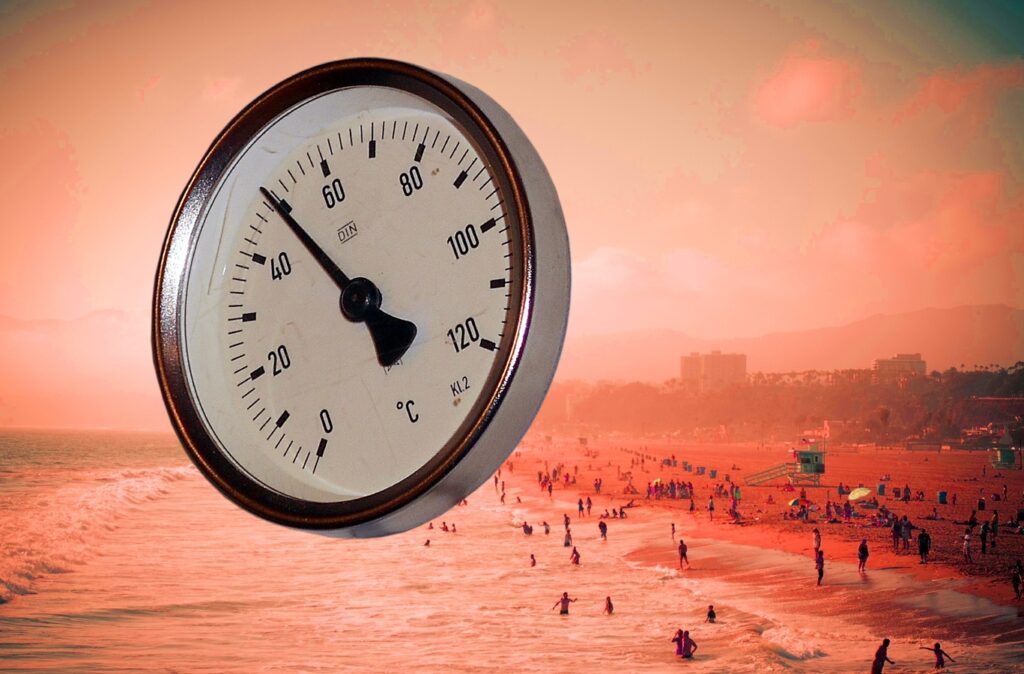
GLOBAL WARMING CAUSES AND EFFECT Mr. Tapan Kumar Das has been associated with MIES Institute for the last 5 years as a Skill Development Officer. He has experience in teaching WBCS, SSC, PSC, RAIL, etc exams. He is very grateful to MIES Management for giving him a chance as a Skill Development Officer at MIES Institute which is one of the best competitive coaching centres in West Bengal. In His opinion, MIES Institute is one of the top competitive exam institutes in West Bengal. This is an awesome write-up from him on GLOBAL WARMING CAUSES AND EFFECT. MIES is a renowned coaching center for Govt. Job exams in West Bengal. Thousands of students appeared in Govt. service exam from MIES every year and got Govt. service maximum of them. MIES is the most popular institute among Govt. Job aspirants because of their specialty in School Service, WBCS, PSC, SSC, BANK, RAIL, etc exams. MIES is a pioneer institute of West Bengal Civil Service coaching in West Bengal. As per the students’ version, MIES is the Best Training Academy for Govt. Job exam in West Bengal. GLOBAL WARMING CAUSES AND EFFECT Introduction : Global warming is mainly a human-caused increase in global surface temperatures due to the rise in this global surface temperature. The earth’s climate also changes. So it is said, from a practical point of view that “Global Warming and climate change are often used interchangeably. Global warming and its effects on climate change include both global warming and climate change as demonstrated by direct temperature measurement and by measurement of various effects of warming. How Global Warming occurs : Global warming occurs when carbon dioxide (CO2) and other air pollutants and greenhouse gases collect in the atmosphere and absorb sunlight and solar radiation that have bounced off the earth’s surface. Normally, this radiation would escape into space – but these pollutants which can last for years to centuries in the atmosphere, trap the heat and cause the planet to get hotter. That is what is known as the greenhouse effect. Lately, the severity of global warming and climate change has been brought to our shocking notice through the hard-hitting bushfires engulfing the country – continent of Australia leaving its ecosystem in peril with over a billion species of animals & birds lost, thousands of human inhabitants displaced and even lost their lives. Effects of it : The effects of global warming include rising sea levels, regional changes in precipitation, more frequent extreme weather events such as heat waves, and the expansion of deserts. Ocean acidification is also caused by greenhouse gas emissions and is commonly grouped with these effects even though it is not driven by temperature. Surface temperature increases are greatest in the Arctic which has contributed to the retreat of glaciers, permanently frozen subsoil, and sea ice. Overall, higher temperatures bring more rain and snowfall, but some regions – increase drought and wildfires. Global warming causing changes in the climate threatens to diminish crop yields, harming food security & rising sea levels may flood coastal infrastructure and force the abandonment of many coastal cities, extinction or relocation of many species from this planet, will global warming cause change in the ecosystem affecting environments of coral reefs, maintains, and the Arctic. How the effects of global warming affecting & destroying the world’s biggest mangrove, the Sunderbans and causing increasingly intense tropical storms including the destruction of nature, houses, and properties & species of this planet : Because of global warming; causing accelerating sea-level rise is likely to submerge the Sunderbans due to the destruction of mangroves. This concerned mangroves of Sunderbans could absorb & resist the high force of wind and wind, lessen the rampage caused by cyclones & other storms. Now scientists predict that under such a continuously increased high emission scenario & sea-level rise may totally inundate most of the Sunderbans by the middle of this century & wipe out totally by the end of the century. It is sure that without the existence of this biggest mangrove, that day is not very far that Kolkata city & its people may go underwater & destroyed due to high wind force and increasingly rising of sea level. The Amazon effects for resistance to global warming interconnected with climatic change : The Amazon in South America is over 2.1 million square miles dense with rain forest which is more than half of the rainforest of the entire planet. Trees use the sun to create glucose from water and carbon dioxide. In the process, they release Oxygen into the air. Hence Amazon’s nickname is “lungs of the world” because it is responsible for so much production of Oxygen. There are concerns that the Amazon could become a net source rather than a sink (storage) of carbon dioxide (CO2), a gas emitted mainly from burning fossil fuels, coal, oil, and natural gas – and the major driver for global climate change. The Amazon due to its massive oxygen release into the atmosphere works in the significant reduction /or resistance to global warming no doubt. This natural massive effect of the Amazon’s vast rainforest causes resistance as well as a reduction in global warming, which today has been destroyed extremely by the multi-nationals as they are invading the Amazon for their business benefit since the high price and demand for Amazonian hardwood all over the world. There are also farmers, Practically cattle ranchers, and soy farmers, who illegally clear areas for their farms. Artificial effects So the bad luck of the planet and its species majorly human beings who are vitally responsible for the deforestation of the Amazon rainforest is progressing rapidly, with close to 20% of the forest gone in the last 40 years. (As per Alejandra Borunda’s Internet published on August 29, 2019) Besides, thousands of fires are burning across a Southern Swath of the Amazon. They belch smoke and root, blanketing those who live downwind with thick, dirty air, hurting wildlife in their path,
Rainfall in India
Rainfall in India by Saugata Singha Mr. Saugata Singha has been associated with MIES Institute for the last 15 years as a guest faculty. He has a lot of experience teaching WBCS, SSC, PSC, RAIL, etc exams. So here is an honest trial from his end to provide this awesome piece of writeup on Rainfall in India. He is very grateful to MIES Management for giving him a chance as a guest faculty to MIES Institute which is one of the best competitive coaching centers in West Bengal. In his opinion, MIES Institute is one of the top competitive exam institutes in West Bengal. MIES is a renowned coaching center for Govt. Job exams in West Bengal. Thousands of students appeared in Govt. service exam from MIES every year and got Govt. service maximum of them. MIES is the most popular institute among Govt. Job aspirants because of their specialty in School Service, WBCS, PSC, SSC, BANK, RAIL, etc exams. MIES is a pioneer institute of West Bengal Civil Service coaching in West Bengal. As per the student’s version, MIES is the Best Training Academy for Govt. Job exam in West Bengal. Rainfall in India India experiences diverse climatic conditions, and its rainfall pattern is influenced by the monsoon winds. The Indian subcontinent primarily witnesses two main types of rainfall: the Southwest Monsoon and the Northeast Monsoon. Southwest Monsoon: Timing: The Southwest Monsoon is the most significant rainfall period for India and typically occurs from June to September. Direction: Moisture-laden winds from the Indian Ocean move towards the Indian subcontinent, bringing heavy rainfall. Regions Affected: The Western Ghats, the Himalayan foothills, and the northeastern states receive substantial rainfall during this monsoon. The Indo-Gangetic plain and the Deccan Plateau also get a significant amount of rain. Northeast Monsoon’s Timing: The Northeast Monsoon occurs from October to December, mainly affecting the southern and southeastern parts of India. Direction: During this period, the winds reverse, and moisture-laden winds move from the Bay of Bengal towards the land. Regions Affected: Mainly in Tamil Nadu (Maximum Rainfall) Andhra Pradesh, Karnataka, and parts of northeastern India receive rainfall during the Northeast Monsoon. Distribution of Rainfall: The amount of rainfall varies across different regions of India. The western coast, especially the Western Ghats, receives heavy rainfall due to orographic features. The eastern coast, particularly during the Northeast Monsoon, also experiences considerable rainfall. The northwestern parts, such as Rajasthan, are arid and receive minimal rainfall. Monsoon Variability: Monsoon rains are crucial for agriculture in India, as a significant portion of the country relies on rainfed agriculture. Variability in monsoon patterns can impact agricultural output and the overall economy. Monsoon Forecasting: The India Meteorological Department (IMD) plays a crucial role in forecasting and monitoring the monsoon. They release seasonal forecasts that are vital for agricultural planning and water resource management. Monsoon Challenges: In some years, there may be instances of excess or deficient rainfall, leading to floods or droughts, respectively. Climate change is also influencing monsoon patterns, contributing to increased variability and uncertainties. Understanding the rainfall patterns is essential for various sectors in India, including agriculture, water resource management, and disaster preparedness. The timely and adequate distribution of rainfall is critical for sustaining the country’s diverse ecosystems and supporting its agricultural practices. The Southwest Monsoon is a crucial weather phenomenon for India, bringing the majority of the country’s annual rainfall. It is a seasonal wind pattern characterized by the reversal of wind direction, bringing moisture-laden air from the Indian Ocean to the Indian subcontinent. Here are key aspects of the Southwest Monsoon in India: Wind Reversal: During the Southwest Monsoon, the prevailing wind direction over the Indian subcontinent reverses. The normal wind direction is from land to sea, but during the monsoon, moist air from the southwest (Indian Ocean) replaces the dry air over the Indian subcontinent. Rainfall Distribution: The Western Ghats, the Himalayan foothills, and northeastern India receive the heaviest rainfall during the Southwest Monsoon. The monsoon winds hit the Western Ghats first, leading to orographic rainfall on the windward side (west), creating lush landscapes and supporting biodiversity. The rain shadow effect occurs on the leeward side (east) of the Western Ghats, resulting in drier conditions in certain regions. Agricultural Importance: The Southwest Monsoon is crucial for Indian agriculture, as a significant portion of the country’s farmland relies on rainfed cultivation. Timely and adequate monsoon rainfall is essential for a successful sowing and cropping season. Monsoon Variability: Monsoon rainfall can vary from year to year, impacting agricultural productivity. Years with deficient rainfall may lead to drought conditions, affecting crops and water resources. Economic Impact: The Southwest Monsoon has a significant impact on the Indian economy, influencing agricultural output, food production, and overall economic well-being. Monsoon Retreat: The withdrawal of the Southwest Monsoon begins around September, starting from the northwestern parts of India and gradually moving towards the southeast. Understanding the Southwest Monsoon is essential for farmers, policymakers, and various sectors in India. The monsoon’s dynamics significantly influence water availability, agricultural practices, and the overall socioeconomic conditions of the country. The Northeast Monsoon, also known as the winter monsoon or the post-monsoon season, is a seasonal wind pattern that brings rainfall to parts of India during the winter months. It is a regional reversal of wind direction, and it mainly affects the southern and southeastern regions(Tamil Nadu) of India. Here are some key points about the Northeast Monsoon in India: Direction of Winds: During the Northeast Monsoon, the winds reverse their direction, moving from land to sea. Moisture-laden winds from the Bay of Bengal and the northeastern part of the Indian Ocean move towards the eastern coast of India. Regions Affected due to Rainfall in India: The primary areas affected by the Northeast Monsoon in India include the southeastern coast, parts of the eastern coast, and some inland areas. States such as Tamil Nadu, Andhra Pradesh, Karnataka, and parts of Telangana receive a significant amount of rainfall during this monsoon. Rainfall Pattern: The rainfall during the Northeast Monsoon
COMBINED HIGHER SECONDARY LEVEL EXAMINATION 2024
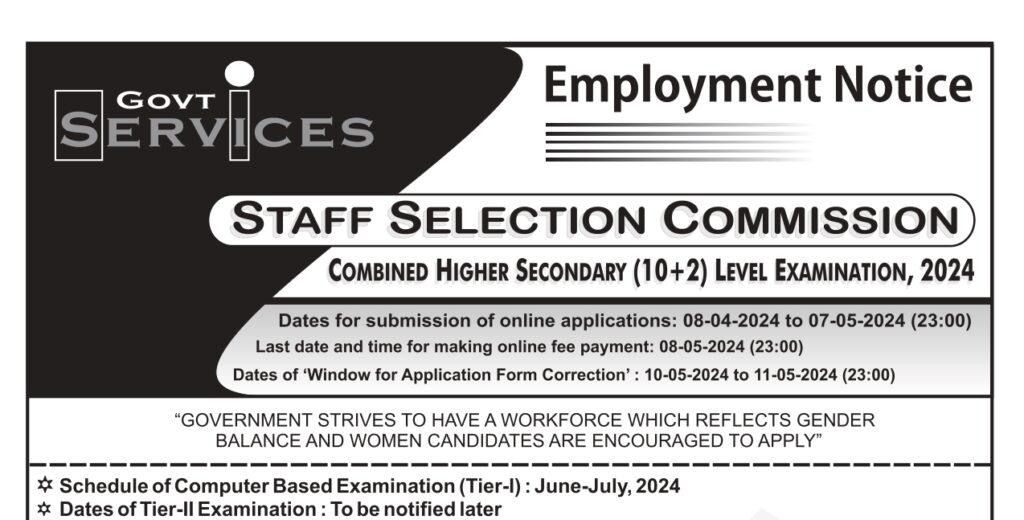
COMBINED HIGHER SECONDARY LEVEL EXAMINATION 2024 by Staff Selection Commission COMBINED HIGHER SECONDARY LEVEL EXAMINATION 2024 (10+2) by Staff Selection Commission. The Staff Selection Commission will hold a competitive examination for recruitment to the Group C posts viz. Lower Divisional Clerk/ Junior Secretariat Assistant and Data Entry Operators for various Ministries/Departments/ Offices of the Government of India and various Constitutional Bodies/Statutory Bodies/Tribunals, etc.. GOVERNMENT STRIVES TO HAVE A WORKFORCE WHICH REFLECTS GENDER BALANCE AND WOMEN CANDIDATES ARE ENCOURAGED TO APPLY” *Schedule of Computer Based Examination (Tier-I) :June-July, 2024Dates of Tier-II Examination :To be notified later AGE LIMIT (As on 01-08-2024): The Age limit for the posts is 18-27 years i.e. Candidates born not before 02-08-1997 and not later than 01-08-2006 are eligible to apply. ESSENTIAL EDUCATIONAL QUALIFICATIONS (As of 01-08-2024): APPLICATION FEE: IMPORTANT INSTRUCTIONS TO CANDIDATES BEFORE APPLYING, CANDIDATES MUST GO THROUGH THE INSTRUCTIONS GIVEN IN THE NOTICE OF EXAMINATION VERY CAREFULLY. THE NOTICE OF EXAMINATION IS PRINTED BOTH IN ENGLISH AND HINDI. IN CASE OF ANY DISPUTE, THE ENGLISH VERSION WILL PREVAIL. ***For any details please go through the original notification.**** Application link: https://ssc.go.in
LAND REFORMS AND LAND OWNERSHIP

LAND REFORMS AND LAND OWNERSHIP One of the Top Competitive institutes in West Bengal, MIES Institute, puts an informative article on “ Land Reforms and Land Ownership”. Written by the top faculty Mr. Samrat Bhattacharyya of MIES R. M. Law College under MIES Institute. This is the top Coaching Centre for different government job exam preparation, which will enhance and aware more to peoples. Moreover, the MIES Institute is one of the Best institutes for School Service, WBCS, SSC, PSC, Bank, Rail, etc exams in West Bengal. The Head Office is at Sonarpur, Main City Centre – Sealdah. Branches – Barasat, Behala Chowrasta. This article is most effective for the West Bengal Civil Service Exam and other Govt. Service Examinations. Land reforms and land ownership is a very vital matters all over the world “The life of the law has not been logic, It has been experienced”[1]. Is nowhere more clearly illustrated than in the history of the constitutional provisions relating to land reforms in India. There is a wide range of social, political, and economic implications of land reforms in India. Land reforms and land ownership is a very vital matters all over the world. Different political systems prescribed different methods for land ownership and utilization. Land reforms refer to reforming the ownership and regulation of land or redistribution of land from the erstwhile feudal owners or zamindars to the landless people who are suppressed and exploited for a long time for some special purposes like agriculture or economic development of the state. Moreover, Land was concentrated in the hands of a few and there was a proliferation of intermediaries who had no vested interest in self-cultivation. Therefore, Land records were in extremely bad shape and one problem of agriculture was that the land was fragmented into very small parts. Different categories of reform There are different categories of reform abolition of intermediaries, like rent collectors, regulation of tenancy by regulating rent and providing security of tenure, ceiling on land holdings by redistribution of surplus land, consolidation of land, encouraging peasants to form co-operative farming societies so that organized farming can enhance the productivity of the land which can ultimately boost the economy. The consolidation of land started with the Zamindari Abolition Act and Estate Acquisition Act and in West Bengal, the process of land reforms started with Operation Barga which asked for equal distribution of land among the landless farmers. The aim is to equitable redistribution of land to increase productivity and decrease poverty and this can also help to stop intra-country migration of those people who migrate to other states in search of work. Transfer of Property Act As per the Transfer of Property Act, a person cannot transfer a property if he doesn’t have a good title over it. As no one can transfer a better title than he possesses. Earlier ostensible owner of an immovable property who is not the actual owner of that property but rather holds the property in the absence of the real owner with implied or express consent of the actual owner. However after the enactment of Benami Transactions (Prohibition Act) 1988, a transfer by an ostensible owner becomes illegal. Transfer of land or other immovable property can be effected only by a deed of conveyance which has to be duly stamped and registered as required by law. It has become a practice to effect the transfer of immovable property either through a general power of Attorney sales or sale agreement, this sale generally evades payment of duty, taxes, and other fees payable on transfer and registration, so it is an illegal practice and cannot be recognized as valid under law. The persons who resort to such practices include vendors with imperfect titles purchasers who purposefully do not wish to disclose such transfers in the public domain, purchasers who avoid the payment of stamp duty that results eventually in loss of revenue to the government and the circulation of the black money in the market. Sale deed for LAND REFORMS AND LAND OWNERSHIP Buyer must always ensure that the title of the seller is clear before the execution of the sale deed. A Good Title consists of the right of possession and property. Moreover, the transferee of land must ensure that there is no charge encumbrance or any other legal hindrance on the property. The purchasers must verify the encumbrance status from the register’s office. The owner of the land must have an absolute interest in the plot of land as against the lessee, mortgagee, baradari, and patta holder who have a limited interest in the plot of land. The record of rights must contain all aspects of good title, the total area of the plot of land, khatiyan number which is the registration information of the complete records of the land or property. The certified copies of all entered documents in the official domain are issued by the revenue department of the state government. Moreover, these copies are proof of ownership, location, usage, and other information about the land property, and share of raiyat in the plot. Nevertheless, accounts of existing encumbrances like mortgage, adverse possession, or bargain the plot. Without a good title, the transfer is not possible The transferor who wishes to transfer the plot of land must clear the revenue payable to the state government. And any existing encumbrance like mortgaging the land to any land mortgage bank or any other financial institution or any co-operative society must be timely intimated to the revenue officer having jurisdiction so that the encumbrance can reflect in the record of rights. No transferor can legally transfer his land without having a good title. The buyer or transferee has to make himself satisfied that the seller has a good title over such immovable property given in the transfer if he does not want to face any legal consequence of purchasing such disputed property. MIES is a renowned coaching center for Govt. Job exams MIES is a renowned coaching center for
Indian National Movement
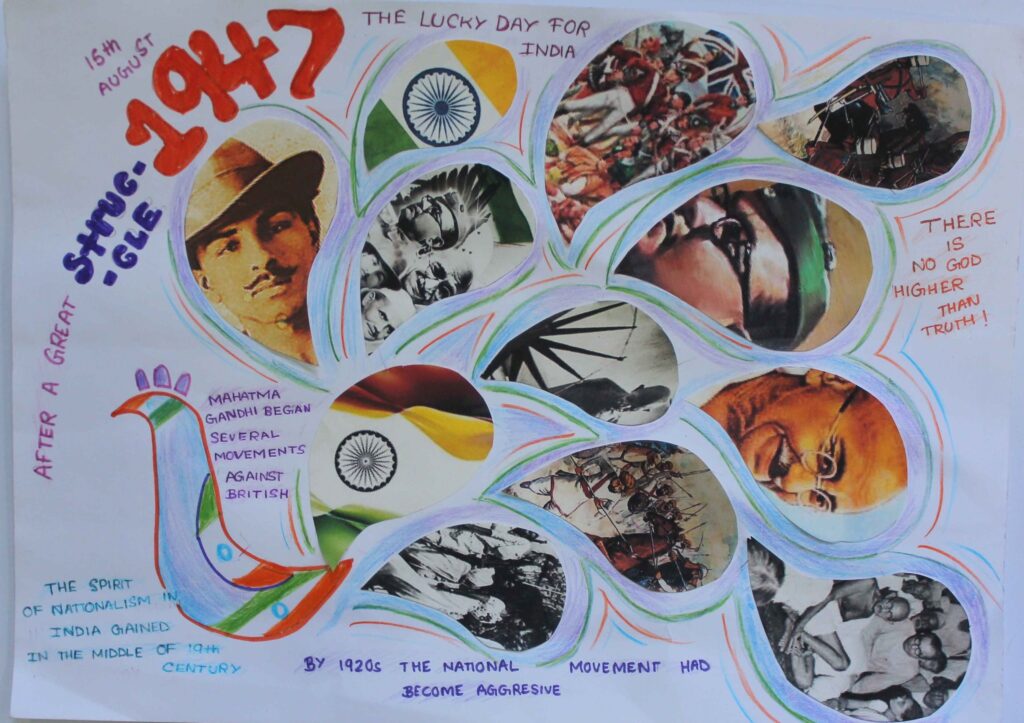
Indian National Movement Mr. Prodipta Chatterjee wrote this article in the Indian National Movement. He has been associated with MIES Institute for the last 15 years as a guest faculty. Has experience teaching WBCS, SSC, PSC, RAIL, etc exams. Moreover, he is very grateful to MIES Management for giving him a chance as a guest faculty to MIES Institute which is one of the best competitive coaching centres in West Bengal. In His opinion, MIES Institute is one of the top competitive exam institutes in West Bengal. Candidates preparing for the WBCS exam should focus on these key aspects. Concerning the Indian National Movement within the context of the history syllabus. The First War of Independence in India Often referred to as the Sepoy Mutiny or the Indian Rebellion of 1857, was a significant uprising against British rule. The rebellion took place between 1857 and 1858 and had widespread repercussions on the course of Indian history. Here are key aspects of the First War of Independence: Causes of Indian National Movement: 1. Military Grievances: The immediate cause was the introduction of the new Enfield rifle, whose cartridges were rumored to be greased with animal fat (cow and pig fat). This offended both Hindu and Muslim sepoys (Indian soldiers), as using such cartridges violated their religious beliefs. 2. Economic Exploitation: The economic policies of the British East India Company, which led to land revenue policies and the imposition of heavy taxes, created widespread agrarian discontent. 3. Social and Cultural Factors: There was a growing sense of resentment among the Indian soldiers and the civilian population due to perceived cultural and religious insensitivity by the British. 4. Annexation of Kingdoms: The annexation of various Indian states and the policy of annexation led to the displacement of many rulers and contributed to the discontent. 5. Sepoy Influence: The sepoys, who were an integral part of the British Indian Army, played a crucial role in the rebellion. Their discontent spread quickly, leading to a widespread uprising. Barrackpore Mutiny (1857): The rebellion began in Barrackpore when sepoys refused to use the controversial cartridges. Leading to a series of events that culminated in the outbreak of the larger rebellion. Siege of Delhi: Rebels captured Delhi in May 1857, and the last Mughal emperor, Bahadur Shah II, was proclaimed the leader of the rebellion. Repression: The British responded with a ruthless crackdown, leading to widespread arrests, executions, and reprisals against the rebels. End of the East India Company The British Crown took control of India from the East India Company in 1858, and the British government pursued a more direct and assertive rule. The First War of Independence marked a turning point in India’s history, leading to the end of the East India Company’s rule and the beginning of direct British governance in India. It also had a lasting impact on the Indian psyche and contributed to the subsequent nationalist movements against British colonial rule. The Moderate Phase of the Indian National Movement spanning roughly from 1885 to 1905 refers to the initial years of the Indian National Congress (INC) and the political approach adopted by its early leaders. The leaders during this phase were often labeled as “Moderates” due to their relatively moderate and constitutional methods of seeking political reforms within the framework of the British colonial administration. Early Leaders (Moderates): The early leaders of the INC during this phase were often referred to as Moderates. Some prominent leaders include DadabhaiNaoroji, WomeshChunderBonnerjee, DinshawWacha, DadabhaiNaoroji, and Gopal Krishna Gokhale. Aims and Objectives: The Moderates focused on constitutional methods, petitions, and resolutions to convey Indian grievances to the British authorities. They sought to create a platform for dialogue and cooperation between the British and Indians. Leaders like DadabhaiNaoroji presented economic critiques of British policies, emphasizing the economic drain from India to Britain and the need for economic self-sufficiency. Educational and Social Reforms: The Moderates also focused on educational and social reforms, aiming to promote modern education and social progress among Indians. Despite their efforts, the Moderates faced challenges, as the British government was often unwilling to grant significant concessions. The lack of mass support and the limited impact of their methods became apparent. The Indian National Congress (INC) Was founded in 1885 and played a crucial role in the Indian independence movement. The formation of the INC marked a significant development in the political landscape of British India The first session of the Indian National Congress was held from December 28 to December 31, 1885, at GokuldasTejpal Sanskrit College in Bombay (now Mumbai). The session was attended by 72 delegates from different parts of the country, representing different communities and interests. The INC aimed to obtain a greater share in government for educated Indians. The early demands were focused on constitutional reforms, representation, and civil rights for Indians within the British colonial framework. The INC gradually transformed into a symbol of the Indian nationalist movement. As the struggle for independence intensified, the INC became the principal political party representing the aspirations of a united India. The foundation of the Indian National Congress marked the beginning of organized political activity in India against British rule. Over the years, the INC played a central role in shaping India’s destiny, eventually leading the country to independence in 1947. The Partition of Bengal 1905 was a controversial administrative reorganization carried out by the British colonial authorities in India. The decision sparked widespread protests and had significant political and social implications. Here are the key details surrounding the Partition of Bengal. Administrative Reasons: The British claimed that the partition was driven by administrative efficiency. Bengal, at the time, was one of the largest provinces in British India, and the authorities argued that dividing it would make administration more manageable. Date: The formal announcement of the partition was made on July 19, 1905, and it took effect on October 16, 1905. Territorial Changes: Bengal was divided into two separate entities – East Bengal and Assam, with a majority Muslim population, and the rest
MISCELLANEOUS SERVICES RECRUITMENT EXAMINATION 2023
MISCELLANEOUS SERVICES RECRUITMENT EXAMINATION 2023 by Public Service Commission, West Bengal. MODE OF APPLICATION: Applications can be submitted online only. SUBMISSION OF MORE THAN ONE APPLICATION BY THE SAME CANDIDATE IS STRICTLY FORBIDDEN AND SUCH APPLICATIONS ARE LIABLE TO CANCELLATION. QUALIFICATION: N.B: The candidates must fulfill the requisite qualifications by the closing date of submission of application. AGE (As on 01.01.2023): Not below 20 years but not more than 39 years as on 01.01.2023 (i.e. born not earlier than 2nd January, 1984and not later than 1st January, 2003). N.B.: Age as recorded only in the Madhyamik or equivalent certificate will be accepted. The age limits apply to all the candidates whether in Govt. service or not. RELAXATION IN AGE LIMIT: The upper age limit is relaxable by 5 years for S.C. & S.T.Candidates of West Bengal and by 3 years for OBC (Non-Creamy Layer) candidates of W.B. In the case of Persons with Benchmark Disabilities (PwBD) the upper age is relaxable upto 45 years. No relaxation is applicable to SC/ST/OBC candidates of other States as they shall be treated as General Candidates. For Offline Payment through any Bank Counter: Service Charge of Rs. 17/-(Rupees Seventeen only). For further details and assistance the candidates may contact the following numbers on any working day from 11-00 a.m. to 4-00 p.m.: For Technical Support : Help Desk :(033) 4058-5640 Email id: pscwbit01@gmail.com